Kickstart Your Year: Veganuary Cooking Tips, Essential Ingredients & Meal Ideas

By Louise Phillips

Veganuary is an exciting time to begin your vegan journey! This guide will provide some vegan cooking tips to help make your Veganuary experience tasty and stress-free.

Vegan cooking is incredibly versatile and can suit a range of tastes and budgets. Most vegan recipes utilize the same skill sets as their non-vegan counterparts – for example, sauteing onions to add flavour to stews, curries and soups or grilling vegetables to bring out their flavour. The only difference is that vegans substitute animal products for plant-based versions of butter, milk, meats and eggs. 

Veganize your favourite meals 

Make vegan versions of your favourite dishes instead of forcing yourself to change your palette completely. For example, use crumbled tofu to make the mince for spaghetti or create vegan versions of your favourite butter chicken recipe using chickpeas, tofu or seitan.

In the same vein, continue cooking with your favourite flavours! A huge range of popular condiments are accidentally vegan. This includes sriracha sauce, some barbeque sauces along with balsamic-based salad dressings. Read the labels carefully to make sure there are no animal ingredients. Here is a list of non-vegan ingredients to look out for when searching for accidentally vegan products. 

Plant-based meats  

If you are new to veganism it might take a bit of trial and error to find your favourite plant-based meats.The benefit of store-bought vegan meats is that they are relatively simple to cook and can save time during a busy weeknight. Large brands like Beyond Meat and Impossible have created popular copies of beef burgers and chicken nuggets but these products tend to be expensive. Try a few plant based meats from the grocery store and local businesses (like Little Jo Berry’s) to find one that suits your taste. 

Browse blogs and cookbooks for inspiration 

Vegan cooking has evolved a lot over the past decade and there is a vast catalogue of vegan blogs and cookbooks. Peruse blogs like Vegan Richa, Nora Cooks, It Doesn’t Taste Like Chicken and Mary’s Test Kitchen to get ideas. The Ottawa Public Library has a lot of vegan cookbook titles to choose from, including popular favourites like The Veganomicon by Isa Chandra Moskowitz and Hot for Food: Vegan Comfort Classics by Lauren Toyota.  Books about more specialized cuisines like French, Chinese and Indian cooking are also available. 

The vegan diet is diverse but there are a few key staple ingredients that are helpful to know about. 

Tofu   

Tofu is a staple of the vegan diet. Tofu can be used for anything from mince in burritos, protein in stir fries to fish alternatives. You will likely see at least three different types of tofu on grocery shelves: 

Silken tofu – this type of tofu is very soft and is typically used for tofu scramble, sweet puddings and as an ingredient in miso soup. 

Medium-firm – this type of tofu is probably the most versatile and can be used to make all types of dishes, including mince for burritos or spaghetti. 

Firm and extra-firm – this type of tofu is usually used to make crispy tofu for stir fries.

Whichever type of tofu you are using, it is important to drain the tofu before you begin cooking with it. If you don’t want to invest in a fancy tofu press, the tried and tested method is to take the tofu out of the packet, place the tofu block between two plates and then add cans to the top to press the plates together. Your tofu should be pressed and ready to go in about two hours. 

Freezing and boiling tofu before cooking can add extra texture to your meal but these steps are not necessary to make your meal tasty.  

Lentils, beans and other types of pulses  

Pulses are another incredibly versatile staple of the vegan diet. You are likely very familiar with pulses if you have experience with Middle Eastern or South East Asian cooking. However, here are the common uses of pulses in vegan cooking in case you are a pulse novice. 

Lentils –  dahls, meatballs and vegan egg

Chickpeas – curries, sandwiches, salads, roasted to make on-the-go snacks

Beans – chili, tacos, salad

Pulses are available canned or dried at the grocery store. Canned pulses tend to be easier to cook with as they require less prep work before adding them to your dish. Dried pulses need to be soaked overnight and boiled before you can eat them.

Nutritional Yeast 

Nutritional yeast (colloquially known as “nooch”) is a seasoning that adds a cheesy/nutty flavour to dishes. Nooch is incredibly high in B12 and is a nice addition to pasta dishes and potatoes. 

Tempeh

Originally from Indonesia, tempeh is a protein made from fermented soybeans. Tempeh is often used to add protein and texture to stir fries. It can also be used to make vegan bacon. Tempeh is 

Jackfruit 

Jackfruit is a large fruit that is typically used to make pulled pork sandwiches and taco meat. You can buy whole jackfruits but it is easier to purchase canned versions at your local grocery store.  

Seitan 

Seitan, otherwise known as vital wheat gluten, is another common vegan protein. It is often used to make vegan chicken.  

Soy Cream 

Soy cream can be used in recipes that call for cream, including curries and scalloped potatoes. 

Now you have an idea of the common ingredients in vegan cooking, here is a list of meal ideas with links to recipes. This list is definitely not exhaustive but it should give you a starting off point to build your own Veganuary cooking routine. 

Breakfast 

There is a vegan breakfast recipe for all tastes, whether you prefer your first meal of the day to be savoury or sweet.

Avocado toast

Tofu scramble and Home Fries 

Pancakes 

Lunch 

Here are some vegan lunches that are perfect for busy days! 

Crushed chickpea sandwich

Plant based “Chicken” soup 

Vegan Cobb Salad

Dinner

Whether you are cooking a weeknight meal or entertaining friends, protein is almost always the centerpiece of a dinnertime meal. 

Spaghetti* and garlic bread

Lentil shepherd’s pie  

Tofu butter chicken and rice

Jackfruit Tacos 

*Most store-bought tomato-based pasta sauces are plant-based but be sure to check the label.

Finally, reach out to the vegan community for ideas and advice. Join the Ottawa Veg Community Discord and come out to the Ottawa Vegan Meetup events to meet like-minded people. 
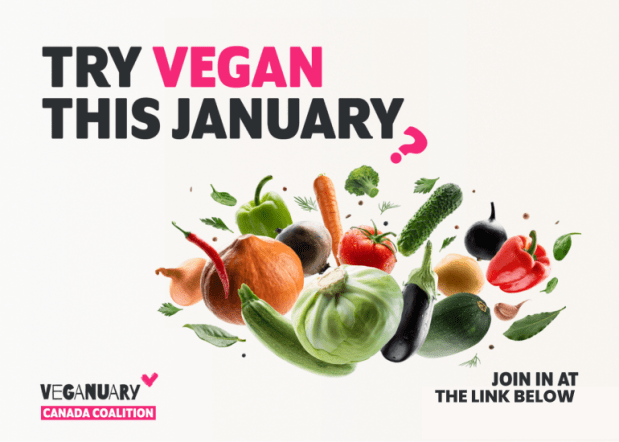
Join Veganuary! Sign up here (free!)

How to go Vegan in Ottawa

By Louise Phillips

So, you live in Ottawa, and you’ve decided to take the plunge and go vegan.

Congratulations, you have joined thousands of your fellow Canadians in helping to promote animal liberation and environmental sustainability. However, after googling “how to go vegan” you are likely overwhelmed by the numerous recipes for tofu scramble and reviews for vegan cheese. Veganism is a global movement, but it is helpful to look locally when you start your vegan journey.

This guide will take you through the Ottawa vegan scene and provide tips on how to thrive as a vegan in the national capital. It will cover everything from local take-out options to social gatherings where you can meet fellow vegans. While this guide is primarily for new vegans, existing vegans might find some helpful tips here too.

Vegan Groceries

Over the past few years grocery stores have stepped up their game to provide a greater variety of vegan goods. Most Loblaws, Metro and Walmart stores in Ottawa stock vegan staples, including tofu, plant-based milk, veggie burgers and legumes. Here are some local grocery options that offer a decent selection of vegan food if you want to expand your culinary horizons.

 Farm Boy  (locations across Ottawa)
Farm Boy locations tend to be slightly more vegan-friendly than your average Loblaws. Look in the bakery section for delicious vegan croissants, cookies, and cupcakes. Farm Boy also has its own vegan cheese range and offers other exciting vegan foods such as kimchi dumplings and chocolate spread.

Whole Foods (951 Bank St)
Whole Foods can be on the pricier side but it has a greater variety of vegan options than the average grocery store. You will find different types of cheeses in the refrigerator section, along with a decent selection of non-dairy desserts, vegan candies and mock-meats. 

Natural Food Pantry (locations across Ottawa)
Natural Food Pantry is a local natural food store that sells a tonne of vegan goodies, including dairy and egg-free versions of your favourite chocolate and SoyCurls, a delicious meat substitute. 

Vegan Cooking and Nutrition

If you’re new to vegan cooking you have likely browsed food blogs like It Doesn’t Taste Like Chicken or VeganRicha for recipes and meal inspiration. The web is a treasure trove of excellent vegan recipes but here are a couple of local sources to expand your options. 

The Ottawa Public Library
The Ottawa Public Library has an impressive selection of vegan cookbooks. These cookbooks offer everything from recipes for easy mid-week meals to inspiration for party food to impress your friends. You can check out the library’s collection of vegan books here.

Amy Longard Nutrition
Amy Longard is a plant-based nutritionist here in Ottawa. She hosts cooking classes and coaching sessions for those interested in cultivating a healthy lifestyle. VegOttawa members enjoy 10% off of Amy’s virtual cooking classes.  

Restaurants and Take-out Options

As a new vegan you have plenty of restaurant and take-out options to explore in Ottawa. Check out this link on the VegOttawa website for a comprehensive list. Here is a brief selection of restaurants that are especially popular within the Ottawa vegan community. 

Wei’s Noodle House (610 Bronson Ave)
Wei’s Noodle House is a take-out staple among vegans in Ottawa. It has a dedicated vegan menu with takeout favourites like pad thai, spring rolls and general Tso tofu. Try the spicy peanut soup and you won’t be disappointed. 

Hometown Bar & Grill
Hometown Bar & Grill is a sports bar with a dedicated vegan menu. Hometown is a great place to watch the game with your friends and to try vegan versions of your favourite pub foods, including wings, pizza and lasagne. 

Chickpeas (500 Terminal Ave)
Chickpeas is a fully vegan falafel restaurant in the Trainyards area. It sells a range of falafel sandwiches, salads, hummus and soups. VegOttawa members save 10% off on all orders.

Gong Fu Bao (365 Bank St)
Gong Fu Bao is a bao restaurant that hosts a vegan night every Wednesday. This is a great option if you are craving bao and other treats like Hong Kong (plant-based) Milk Tea but haven’t found a good vegan alternative. 

St. Elsewhere (826 Somerset St W)
St. Elsewhere is a vegan fine-dining establishment with a menu of food and cocktails. If you are looking for somewhere to entertain a first date or celebrate a milestone birthday then St. Elsewhere is the ideal place.

Meet other vegans!

One of the biggest struggles that new vegans face is a lack of social connection with others who share the same values and lifestyle. Interacting with other vegans can make the process of becoming vegan less isolating and more fun! Vegan social meet-ups are also a good opportunity to ask long-time vegans about nutrition, recipes, the best dupes for animal-based foods and more. Luckily, Ottawa has a flourishing vegan social scene with events that span a variety of interests!

Ottawa Vegan Meet-Up
If you are looking to meet new vegans over drinks and conversation, check out Ottawa Vegan Meet-Up. Ottawa Vegan Meet-Up takes place from 7pm-9pm on the last Thursday of each month at St. Elsewhere. There are plans to host Ottawa Vegan Meet-Up picnics in the summer. Sign-up to the Ottawa Vegan Meet-Up email list to learn about future events! 

Ottawa Vegan Nature Club
The Ottawa Vegan Nature Club meets monthly to walk the many beautiful trails in and around Ottawa. If you like exercise, fresh air and the great outdoors you can find out about future hikes by checking out the Ottawa Vegan Nature Club facebook page.

Ottawa Vegan Book Club
The Ottawa Vegan Book Club meets near the end of each month to discuss fiction and non-fiction books through a vegan lens. Check out the Ottawa Vegan Book Club facebook page to get up to date on meetings and to vote for future reads.

Student Groups 
If you are a student in Ottawa, you can find fellow vegan classmates at Animal Rights Carleton or the University of Ottawa Animal Rights Association. While participation in these groups ebbs and flows from year to year, they offer a good opportunity to get involved in activism and social events during your studies. 

Keep up to date with a variety of vegan events in Ottawa by following the VegOttawa on Instagram and on Facebook

Vegan Holiday Food

The holidays can be a challenging time for vegans as some traditional foods and treats contain animal products. However, the following bakeries/eateries offer some tasty local vegan options to enjoy over Christmas, Easter, Hanukkah, Eid, Thanksgiving and Lunar New Year. These eateries are open all year for you to enjoy in between holidays!

Strawberry Blonde (111 Richmond Road and 767 Silver Seven Rd Unit 17, Kanata)
Strawberry Blonde is a gluten-free and vegan bakery that really excels when it comes to holiday treats. It offers creme egg brownies and chocolate eggs at Easter, hamantaschen for Purim, sufganiyot for Hanukkah and yule logs for Christmas.

Keepin It Vegan (3 Chartwell Ave, Ottawa)
Keepin It Vegan is another vegan bakery that sells excellent vegan holiday treats, including hot cross buns for Easter and sufganiyot for Hanukkah. They also offer standard and custom birthday cakes.

Alkadoursweets (2269 Riverside Drive, Unit #141 – in Billings Bridge Shopping Mall)
Alkadoursweets sells vegan baklava and other delicious middle-eastern desserts that are perfect for Eid celebrations and other gatherings throughout the year.

Little Jo Berry’s (1305 Wellington St. W)
Little Jo Berry’s is a delightful vegan bakery that usually sells Christmas and thanksgiving meals for one in case you are the only vegan at an omni dinner. They also have a wonderful selection of goodies for Valentine’s Day in case you want to treat yourself or your significant other. 

Yugi Rolls
Yugi Rolls is a vegan food business that sells vegan mooncakes for Lunar New Year. They are famous for their vegan egg rolls, which you can find fresh online on UberEats (available Wednesday, Thursday and Sunday from 4:30-7:45pm) or in person at Congregation Machzikei Hadas (2310 Virginia Dr) on Wednesdays, Thursdays and Sundays from 3:30-7:30pm. Checkout the Yugi Rolls website and Instagram page for info on occasional pop-up events. You can also find frozen Yugi Rolls in the freezer section of Little Jo Berry’s.

Health and Beauty

The range of vegan and cruelty-free personal care products available in Canada has rapidly expanded since Canada banned animal testing for cosmetic products in 2023. You can find options for body wash, deodorant, toothpaste, hair dye and more at your local Shoppers Drug Mart or Rexall but if you want to shop more locally then check out the following options:

Terra 20 (1130 Wellington Street West and 197 Trainyards Drive)
Terra 20 is a store that sells a range of cruelty-free, vegan and environmentally conscious products, including dish soap, laundry soap, make-up, shaving supplies, personal care products and cleaning supplies.  

Herb & Spice (375 Bank Street)
Herb and Spice is a local health food store with a decent collection of vegan soaps, shampoo/conditioner and make-up. 

Saaboon Soap (595 Gladstone Avenue)
Saaboon is a local vegan institution. Their soaps and other skincare products are cruelty free, and vegan with lots of zero waste options. VegOttawa members get 15% off of each order.

Headspace Hair Studio (1530 Merivale Road)
Headspace Hair Studio is run by Gabby, a very welcoming and talented hairstylist. She operates the only fully vegan hair studio in Ottawa. VegOttawa members get 10% off of each visit.   

Visit and Support Farmed Animal Sanctuaries

The Ottawa region is home to at least three farmed animal sanctuaries that take care of non-human residents who would otherwise be harmed in the animal agriculture industry. It is a good idea to visit or volunteer at farmed animal sanctuaries to remind yourself why you became vegan in the first place.

Penny Lane (1795 Du Lac Rd, Saint-Pascal-Baylon, ON)
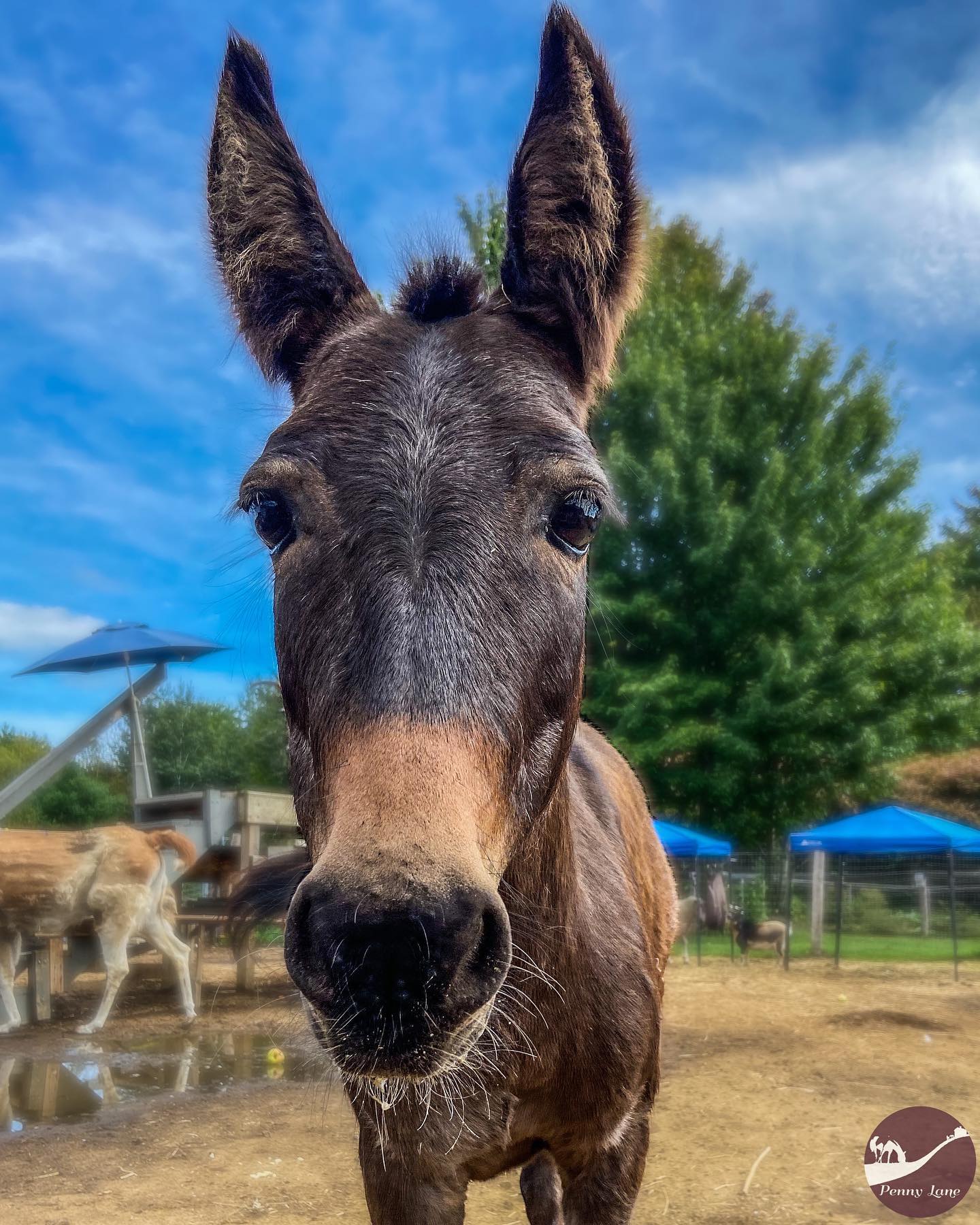
Penny Lane Sanctuary has been rescuing animals since 2013. Their current residents include horses, pigs, cows, bunnies, and cats. Check out Penny Lane’s website for information about volunteering with the animals and follow their Facebook and Instagram pages for updates on events at the sanctuary.

Sweet Sanctuary Animal Rescue (Mississippi Mills, Ontario)
Sweet Sanctuary offers a lifetime home to pigs, chickens and horses. Their volunteer program is full at the moment, and they do not have any scheduled public visits. However, keep an eye out for fun vegan-friendly fundraising events, including trivia nights!

Secondhand Stories
Secondhand Stories offers private tours of their adorable chicken gang on an appointment basis. Visit their online used book store for great deals on awesome reads. VegOttawa members get a 20% discount on all book orders!


Please tell us about anything we’ve missed in the comments!

Understanding Vegan Product Certification

Hello VegOttawa Community! One of our newest business partners, Shine Health, recently shared with us their journey about receiving Vegan certification for their products. We thought it was very interesting and wanted to share it with all of you. They were kind enough to put this article together for us and we hope you find this as educational as we did!

Obtaining Vegan Certification
by Phil Desrochers, Co-Founder, Shine Health

What Vegan Certification is Best for Your Company

Many manufacturers of consumable products are considering some form of certification to build trust with their consumer. Today, many consumers are demanding transparent assurance that your products do not contain hidden non-vegan substances.

More specifically, a vegan-certified product is defined as containing no animal ingredients or by-products, using no animal ingredients or by-products in the manufacturing process and no testing on animals by any company or independent contractor.

Here is a list of certification agencies and labels currently available around the world and considered trustworthy – http://vegan-labels.info/

Which one is best for you?

As co-founder of Shine Health, we had to make the same decision. We offer plant-based supplements to help with stress, focus, brain and energy, and we were looking for our first certification. Our two criteria where quite simple:

1. Logo had to be recognized in both Canada and the US
2. Pricing we could afford

The answer quickly became obvious for us as we started the process of getting certified with https://vegan.org/certification/.

The Process
Duration: From start to finish it took about 3 months

Cost: $150-$3000/year depending on your revenue. We loved that they help small businesses get off the ground.

Steps:

– Filled in their Online Application

– Submitted 7-10 different forms that our manufacturer mostly had to confirm (ie. Machines used for our products are not used to make non-vegan products)

– A few back-and-forth emails to clarify a few things

– Once all documentation was signed we waited about 5 weeks for approval

– We received an email approval (one of the proudest moments in my life)

– Pay fee

– Received PDF with logo we can use on site

Lessons learned:

– It was a pretty smooth process

– Vegan-Certification does NOT mean your brand is Vegan-Certified – it means your products are Vegan-Certified

Should you be considering a vegan certification for your products it’s never too early to start the process.

If you have any further questions about the process, feel free to reach us at care@shinehealth.ca.

Phil Desrochers, Co-Founder, www.shinehealth.ca

Plant-based supplements with research-backed ingredients for when stress and setbacks get in your way
Take Wellness Quiz
Our Story

care@shinehealth.ca
613.447.4746

Instagram
https://www.facebook.com/myshinehealth/

Creamy Corn Chowder Recipe

Simple, hearty and Creamy Vegan Corn Chowder! The perfect soup to give you all the warm and cozy Fall feels!

This Creamy Vegan Corn Chowder is a healthy and budget friendly vegan meal! If you are new to vegan or vegetarian cooking, you’re in luck. This meal is super easy to put together, even for the novice cook!

Cashew cream is what makes the wonderful texture of this soup. Cashew cream is a simple mixture of soaked cashews and plant milk blended until velvety soft.

What you will need:
For this recipe you will need some very basic ingredients that you can find at any local grocery store, they are:
– Yellow Onion
– Garlic
– Potatoes
– Carrots
– Vegetable broth
– Corn (fresh or frozen)
– Cashews
– Plant Milk
– Spices

How to Make this Creamy Vegan Corn Chowder:
Making this corn chowder is easy. Start by chopping all the vegetables and sautéing them in a heavy bottom pot with a bit of oil. Next, we add the seasonings, broth, cashew cream and the corn. Once everything has softened it’s time to blend! This part is based on preference. If you want a super soft soup without any chunks then the entire soup can be blended, but it is equally delicious if you leave some veggie bits for extra texture! Finish it off by melting in some vegan cheddar cheese (optional).

If you have never made cashew cream, it is done by simply soaking cashews for a minimum of 4 hours and then blending in a high powdered blender with plant milk until smooth and creamy. If you do not have 4 hours to soak the cashews, they can also be softened by boiling for 5-10 minutes before blending.

If you are using corn fresh from the cobb, remove the kernels by gently running a knife down the length of the cobb. I find it easiest to place the cobb directly in a large bowl while doing this to avoid a big mess!

Finally, serve alongside a freshly toasted baguette or your favorite veggie sandwich!

Note: If you find your soup too thick and want to thin it out, add additional plant milk.

Storage: This soup stores well in the refrigerator for up to 3 days in an air-tight container. Re-heat on the stovetop or microwave.

RECIPE


Ingredients:
– 1 tbsp Cooking Oil
– 1 small Yellow Onion (diced)
– 2 Medium Carrots (diced)
– 3-4 Garlic Cloves (diced)
– 3 Medium Yellow Potatoes (chopped)
– 5 Corn Cobbs or 2 cups frozen corn
– 3 cups Vegetable Broth
– 1 tsp Parsley Flakes
– ¼ tsp Paprika
– Salt and Pepper to taste
– ½ cup Shredded Vegan Cheddar Cheese (optional)

Cashew Cream Ingredients:

– 1 cup Soaked Cashews (minimum 4 hours)
– 1 cup Plant Milk

Directions:
– Start by pre-soaking cashews for a minimum of 4 hours by placing them in a bowl and covering with room temperature water. Alternatively, you can boil the cashews for 5-10 minutes to soften. Drain and rinse the cashews and add to a blender with the plant milk. Blend until smooth and creamy. Set aside.
– In a large heavy bottom pot, heat oil to medium-high heat, add onion, garlic, and carrots. Cook for 2 minutes before adding the potatoes and spices. Stir and continue to cook for 30 seconds until fragrant.
– Add broth and bring to a boil. Reduce to a simmer and place on a tight-fitting lid. Continue to cook until the vegetables have softened.
– Stir in corn and cashew cream and cook for an additional 5 minutes.
– Using an immersion blender or standard blender, blend contents of the soup until the desired consistency is achieved.
– Return to the pot and add vegan cheese and salt and pepper to taste.
– Serve immediately alongside a toasted baguette.

I hope you liked this Creamy Vegan Corn Chowder as much as we do! For more recipes by
Stunningly Plant-Based you can visit https://www.instagram.com/stunningly_plant_based/ or http://www.stunninglyplantbased.com

Ask a Plant-Based Naturopathic Doctor (ND): Meet Dr. Marianne Trevorrow

This blog is to introduce myself, Dr. Marianne Trevorrow (ND), to the VegOttawa Association community.  I’ll be doing a regular “Ask a Plant-Based ND” column twice a month for VegOttawa.  I’ll be answering questions from members and social media followers about what is credible in nutritional science to help people of all ages make healthy choices that are accessible and sustainable. 

I’m a plant-based naturopathic doctor (ND) practicing in Ottawa and a former assistant research investigator in nutritional medicine at Bastyr University in Seattle, where I completed my training in 2006. I’m also new to Ottawa, having recently moved here from Calgary to run the Canadian ND Association professional journal (CANDJ) as Editor-in-Chief. As someone who believes very strongly in the sustainability principles of the recent EAT-Lancet report, I try to support more discussions about how plant-based, culturally appropriate diets fit into natural medicine practice and enjoy these conversations with my patients. 

Personally, I’ve eaten a primarily-plant based diet for over 20 years, and I have been vegan for 3 1/2 years.  I’m also soy and histamine sensitive, which has made being vegan a bit more of a challenge. Many ‘standard’ meat substitutes, such as Impossible burgers and many ‘chick’n’ substitutes, are simply off the table for me. If there’s a silver lining to this, it means that beans, nuts and seeds have become my primary choice of vegan protein. As someone who had long long-term digestive problems, this took me a few months to accomplish. I found I had to very gradually increase my legume intake and sometimes use protein powders to fill in the gaps. When eating out, I used those same principles and looked for bean-based dishes with fruits, vegetables and grains as main menu items. I made sure to mention to staff that I’m sensitive to soy, if the ‘vegetarian’ option doesn’t clearly state what it’s made from.  Interestingly, over the past five years I’ve found that vegan or plant-based options for eating out and at regular grocery stores are becoming easier to find. The food is also often interesting, unique and delicious. 

I went vegan for ethical and health reasons. As a bonus, sticking out a bit of a bumpy transition to legumes was also worth it for my overall health.  My IBS and asthma are pretty much gone, and many other nagging health problems (including upper back pain from sitting too long at desks) have significantly improved. Far from being depleted or deficient, I feel a lot better than I did before making the switch, although I’m also careful to make sure I supplement with Vitamin D, B12 and plant-based omega 3s. 

Many of us have stories about how we found our way to plant-based eating. Once there, it can be a challenge to stay there. Many of us have family and friends (or health professionals) who think eating vegan is odd and strange, if not actually dangerous.  This attitude is slowly changing, but we are hoping in this blog series to support our readers at whatever stage they are at in their vegan journey to go vegan in a way that can be accessible for everyone.


You can follow Marianne on Instagram @drmariannet

Local Sanctuaries & Rescues to Support

By Esther Vininsky-Oakes

When you go vegan, it can be frustrating to feel such a strong desire to help animals and not know where to direct that passion.

To help with this, we’ve compiled a list of five organizations in or around Ottawa to highlight all the great work they are doing for the animals and the ways you can lend your support. While a donation may not be possible for everyone, another great way to help is by volunteering your time.

All five organizations on the below list are vegan sanctuaries or rescues located in Ottawa or in the surrounding area. Although not an exhaustive list, we hope that this serves as a starting point to highlight some of the many amazing organizations that are helping animals in and around the Ottawa area. We encourage you to also check out the more comprehensive list of vegan sanctuaries on our website. Be sure to let us know of any other sanctuaries that we should highlight in the future!

Holly’s Haven Wildlife Rescue

Holly’s Haven is a volunteer-run wildlife rescue and rehabilitation center based in Dunrobin. They take in all kinds of animals: racoons, squirrels, rabbits, mice, bats, chipmunks, coyotes, groundhogs, porcupines, and more! They are currently running a racoon sponsorship program from their Facebook page, which allows you to sponsor a baby racoon. In addition to raccoons, you may also sponsor other animals listed on their website.

Feline Cafe

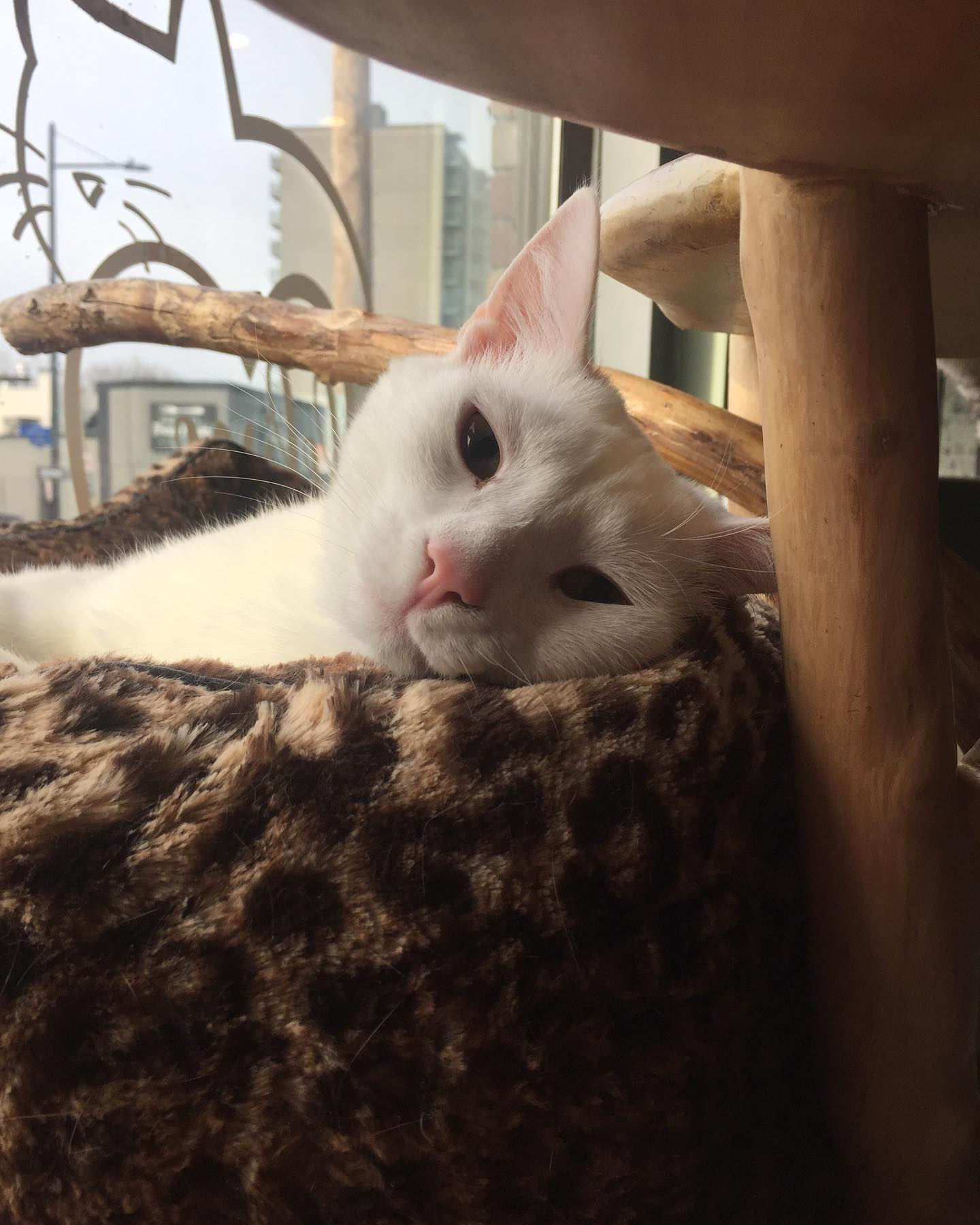
Feline Cafe is a coffee shop in Ottawa that provides a temporary residence to cats up for adoption. Customers can buy drinks and vegan treats while interacting with the rescue cats in need of forever homes. Through the cafe’s income and fundraisers, they are able to house the cats, and pay for their food and veterinary bills. You can support them by visiting the cafe, volunteering, shopping from their online store, or donating here.

Penny Lane Farm Sanctuary

Penny Lane Farm Sanctuary is a farm sanctuary near Clarence-Rockland that saves animals that are neglected or rescued from slaughter. Right now, they are home to a whopping 105 animals who are all loved and well cared for by Penny Lane volunteers. One of their residents, Mango the pig, made national headlines in 2019 when he was saved from slaughter after falling off the back of a truck on the highway and got his happy ending at Penny Lane! You can support Penny Lane through their sponsorship program, making a one-time donation, or buying something from their Amazon Wishlist here.

Contented Clucks Farm Sanctuary

Contented Clucks is a microsanctuary located in Oxford Mills. Founder Lynn Kennedy started the sanctuary a few years ago with the goal of rescuing neglected hens and roosters in need of a safe and loving home. They are currently running a fundraiser to build a larger coop in order to provide more space for the growing flock under their care. To support the sanctuary, donate to their GoFundMe or contact their Facebook page for volunteer opportunities.

Sweet Sanctuary Animal Rescue

Sweet Sanctuary is a farm sanctuary in Mississippi Mills that saves abandoned or abused horses and farmed animals. They have 34 residents right now and are always looking to help more. You can support them through donations or volunteering. You can also purchase their famous chocolate chip cookies (which used to be sold at Grow Your Roots) with full proceeds going to the animals. They can even be delivered right to your doorstep for extra convenience. Cookies that help animals in need are the perfect excuse to eat dessert! Another way to support  Sweet Sanctuary is by donating a book to or buying a book from Secondhand Stories, an online non-profit used bookstore that donates all their profits to Sweet Sanctuary.

Happy Tales Farm Sanctuary, Mel’s Farm – All Animal Rescue & Sanctuary, Refuge RR

Find an updated list of local Sanctuaries and Rescues on our Vegan Friendly Business Directory Page.


About the Author:
Esther Vininsky-Oakes is a new contributor to VegOttawa who has been vegan for 2 years and vegetarian for many years prior. She is currently pursuing an MA in English literature at McGill University, and in her spare time, enjoys advocating for farmed animals in need, exploring the great outdoors, and baking.


Animal Testing in Biology and Medicine: Why it is Obsolete, Unethical, and Mostly Irrelevant.

By Ian Nandlall

The medical field has always been progressive, at least at first glance. However, it has badly underperformed in many key areas concerning sustainability. On top of an environmental impact amounting to roughly 4.4% of global net emissions, the healthcare industry engages in poor animal welfare practices. This is especially true in the context of biomedical experimentation, particularly when it comes to developing and testing drugs. 

Despite the introduction of the Three Rs principle (Replacement, Reduction, and Refinement) in 1959 as a guideline for reducing animal testing, the practice is still widespread today. As such, one could argue that few medicines are truly vegan or vegetarian.

A mouse in a lab receives an injection.

WHAT IS WRONG WITH ANIMAL TESTING?

Many non-human animals have been subjected to suffering in the name of advancing medical science. Animal testing was introduced to minimize and prevent unwanted effects during and after human clinical trials. Some researchers support the “necessity” of animal testing as it is seen as a more ethical alternative to humans. Also, many claim that animal data correlates well with human biology. In their view, animal testing would be impossible to replace.

However, several studies have exposed the poor quality of animal research and its failure to translate well to human applications. For instance, 172 drugs designed for treating Alzheimer’s disease failed in humans despite success in animal trials. Corticosteroids, drugs used to treat inflammatory diseases, cause abnormal fetal development in non-human animals but not in humans. Certain diseases and conditions such as amyotrophic lateral sclerosis (ALS) and traumatic brain injury (TBI) develop differently in animal models.

An obvious reason for these issues is that non-human animals exhibit differences in terms of basic anatomy and physiology when compared to humans. Thus, drugs are not metabolized in the same manner and the biological pathways through which diseases develop are not the same. Also, the often stressful conditions that non-human animals are subjected to during experimentation may also change their physiology and cause unpredictable effects on disease states and drug metabolism. This means that not only is animal testing irrelevant and cruel, but it causes harm to humans as well by denying them promising drugs that fail animal trials.

In some cases, humans could be subjected to dangerous substances thought to be safe due to unreliable data. Such was the case with Vioxx, an infamous anti-inflammatory drug that was taken off the market in 2004 due to its adverse effect on cardiovascular health in humans. The manufacturer’s claim that the drug was safe had mainly relied on data obtained from African green monkeys.

Some supporters of animal testing would argue that better controlled animal studies and models are all that are required to solve these issues. One possible measure is more diligent breeding. The practicality of this method is unclear. It seems unreasonable to expect that an animal subject would become an acceptable proxy for humans simply by inducing mutation after mutation, especially when methods that better reflect human biology exist.

Rabbit receives an injection in a lab setting.

WHAT ARE SOME OF THE ALTERNATIVES THAT CURRENTLY EXIST OR ARE IN DEVELOPMENT?

Today, there exist many alternative experimentation methods that are worthy of attention.

In vitro testing refers to experimentation on biological organisms (i.e. bacteria, fungi, viruses), cells, or molecules outside of larger organisms such as humans or non-human animals. As an example, consider atopic dermatitis, more widely known as eczema. Mice are commonly used in animal research regarding this condition, despite the fact that their skin exhibits key differences (i.e. number of layers, types of immune cells) that have an impact on how eczema develops and responds to treatment. Three-dimensional models derived from human skin and immune cells would allow researchers to examine eczema in a context that takes into account human skin properties. In the future, more refined models could include other factors that play a role in the development of eczema, such as mechanical “wear and tear” as well as blood supply.

Another method involves the use of bioplastic based devices that contain fluid channels lined with human derived cells. These devices are commonly known as “organs on chips” and are essentially slices of functional organs that can be exposed to mechanical stress and different substances, such as drugs. “Organs on chips” show incredible promise in terms of cost-effectiveness, versatility, sustainability, as well as physiological relevance and accuracy in terms of determining drug toxicity. However, the technology is still in its infancy, and their suitability remains to be seen.

There are also more specific types of in vitro testing and refers to involving the use of omics, an umbrella term for sub-disciplines such as genomics (the study of genes and their functions), proteomics (the study of proteins), and metabolomics (the study of metabolites, the byproduct of medications following metabolism). It is next to impossible to go into detail given the immense scope of omics, but the basic idea is to study the effects of medications and toxins on changes regarding gene expression, proteins, and so on. These methods serve more of a theoretical basis as opposed to practical when it comes to clinical testing, but could help in drug development and understanding disease at a fundamental level.

A third type of method encompasses in silico experimentation, which involves the use of simulation using computer-based models. Within the context of therapeutics, they mostly work to complement in vitro methods by predicting toxicity of medications. The number of in silico models that exist is large, but there are several key categories. The first involves identifying biochemical similarities between medications and their byproducts following metabolism with already known toxins. The second type involves the use of equations that predict potential toxicity of a drug based on the level of drug accumulation and the degree to which it interacts with human tissue. These are known as pharmacodynamic and pharmacokinetic models. Although promising, their use as a sole alternative to other methods is limited due to their relatively small scope and difficulty to factor in all possible variables. However, in silico experimentation will likely become an invaluable addition to other alternative methods in the future.

Lastly, attention has been drawn to early microdose drug studies in human volunteers. In this context, participants are exposed to very low doses of an experimental drug, allowing researchers to study how the medication interacts with the human organism on a basic level. However, this requires the development of extremely sensitive methods that are capable of measuring drug activity at a very small scale such as liquid chromatography (the use of chemical methods to separate parts of a mixture). Also, this technology would need to be adapted to different types of drugs and may not currently be usable for certain medications, which limits its use for now.

CONCLUSION

All of the these methods have the potential to replace animal testing as more ethical, accurate, and reliable alternatives. However, such an evolution requires not only a large amount of resources, but dramatic shifts in culture, mentality and core values. While it is unclear if these methods will evolve enough to supplant animal testing within the next century, it is an ideal that we should strive for. At the very least, there is a strong possibility that these methods will co-exist with current experimentation methods, which will hopefully lead to a significant decrease in animal experimentation as a whole.


About the Author:
Ian was a longtime vegetarian, recently turned vegan, as well as a new contributor to VegOttawa. Among his interests are animal ethics, biomedical sciences and physics, and the environmental benefits of a plant-based diet.


References:

Balls M, Bailey J, Combes R. How viable are alternatives to animal testing in determining the toxicities of therapeutic drugs?. Expert Opinion on Drug Metabolism & Toxicology, 2019 Oct 3; 15(12): 985-87.

Bracken MB. Why animal studies are often poor predictors of human reactions to exposure. J R Soc Med. 2009 Mar 1; 102(3): 120-22.

Combes R, Berridge T, Connelly J, Eve M, Garner R, Toon S, Wilcox P. Early microdose drug studies in human volunteers can minimise animal testing: Proceedings of a workshop organised by Volunteers in Research and Testing. European journal of pharmaceutical sciences. 2003 Jun; 19(1): 1-11.

Franzen N, van Harten WH, Retèl VP, Loskill P, van den Eijnden-van Raaij J, Ijzerman M. Impact of organ-on-a-chip technology on pharmaceutical R&D costs. Drug Discovery Today, 2019 Sept; 24(9): 1720-24.

Fröhlich E. Role of omics techniques in the toxicity testing of nanoparticles. Journal of Nanobiotechnology, 2017 Nov; 15(1).

Low LA, Mummery C, Berridge BR, Austin CP, & Tagle DA. Organs-on-chips: into the next decade. Nature Reviews. Drug Discovery, 2021 May; 20(5): 345–61.

Löwa A, Jevtić M, Gorreja F, Hedtrich S. Alternatives to animal testing in basic and preclinical research of atopic dermatitis. Experimental Dermatology, 2018 Jan 22; 27(5): 476-483.

Nast, C., 2021. Vioxx Suit Faults Animal Tests. [online] Wired. Available at: <https://www.wired.com/2005/07/vioxx-suit-faults-animal-tests/&gt; [Accessed 26 June 2021].

Perrin S. Preclinical research: Make mouse studies work. Nature. 2014 Mar 26; 507: 423-25.

Raies AB, Bajic VB. In silico toxicology: computational methods for the prediction of chemical toxicity. Wiley Interdiscip Rev Comput Mol Sci. 2016 Mar; 6(2): 147-72.

https://www.ncbi.nlm.nih.gov/pmc/articles/PMC3025138/