The NCVA has enrolled in terra20’s Saving For Change program, which offers members a discount on terra20 merchandise. By enrolling in this program as an NCVA member, you will save 10% on every regularly priced item in-store and while shopping at terra20’s online store, which offers more than 8,000 products. terra20 will also refund 2% of the total purchase amount made by NCVA members to support the association eco-initiatives.
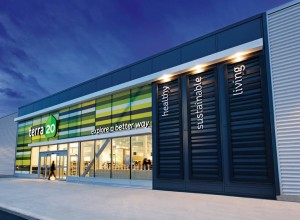
terra20 is an Ottawa-based retailer, with North America’s largest selection of healthy and sustainable products under one roof, including personal care, electronics, household goods, apparel, home décor and much more. Keep an eye out for the “Contains No Bunnies” icon which signifies that a product is vegan. The beaker icon indicates products that are free of 27 problematic chemicals (although all products at terra20 are vetted to be free of the 15 worst offenders, and to also not be tested on animals.)
The first location is a 15,000 sq. ft. flagship store beside Ikea. terra20 is opening a second location on Nov. 2 at 1304 Wellington Street W.
The enrollment process is easy –
To enroll in-store – simply visit the guest services desk in the store, identify yourself as a NCVA member by presenting your membership card or this email on your smartphone or in printed form. From there, you can quickly build a profile, and immediately begin to make purchases at the 10% discount
To enroll online – simply click here and follow the instructions; your profile will require two business days to become active.
Guest blogger Vanessa Morley is a registered dietetic technician and writes health blogs for Everyday Health.
People choose to embrace a vegetarian diet for a number of reasons especially to stay healthy. According to Everyday Health vegetarians live longer and healthier lives, but other reasons people choose vegetarianism is to lose weight, to save money or based on personal beliefs. Before you choose to change your diet, make sure to do your research. There are many healthy vegetarian options available, especially on the market today compared to twenty years ago, but if you aren’t in the know you could end up making pasta for every meal. Below are some healthy and delicious alternatives to meat, which you can start adding to your diet today, vegetarian or not.
1. Quinoa
Quinoa by Flikr user Gloria Cabada-Leman
Quinoa isn’t called a super food for nothing; it’s packed with protein (more than any other grain), fiber, essential vitamins and minerals–plus it’s gluten-free. Quinoa is also the only grain that is a complete protein; this means that it contains all the necessary amino acids that our bodies need. Quinoa is also very easy to use in the kitchen; just make a big batch of it and you’ll have it at hand to use in any recipe throughout the week. There are many recipes on different ways to utilize it for your meals, including a hot cereal for breakfast, a crunchy addition to your salads or a stuffing into vegetables, like bell peppers, for a delicious twist on a classic meal.
2. Soy Products
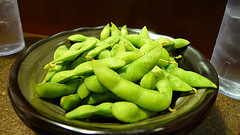
Edamame (soy beans) by Flikr user Camknows
There are a number of soy products on the market today for vegetarians, including tofu, tempeh, edamame, soy dairy products and ready to eat entrees. When choosing soy products, the more natural the product the better, which includes all the products I listed above besides the entrees. These products are minimally processed and allow you to make many different meals with them, while still getting the protein and calcium that may be lacking in your diet. Soy products are also very versatile in how they can be used in the kitchen including tofu smoothies, tempeh ratatouille and edamame dip. When choosing soy dairy products, look for products with no or low amounts of added sugar and products with soybeans as one of the first ingredients, and remember that just because it says it’s made with soy, doesn’t necessarily mean it’s healthy.
3. Legumes
Mixed legumes by Flikr user Vanhookc
Legumes include beans, peas and lentils, which are a great source of protein, fiber, iron and folate, and contain no cholesterol and little fat. There are a countless number of legumes that you can incorporate into your diet, by adding them to soups, salads, ethnic dishes, snacks, side dishes and more. Legumes are also a very inexpensive alternative to meat, which can help cut your grocery bill while improving your health. Make sure to thoroughly rinse canned legumes, specifically beans, before adding them to a recipe to lower the sodium content.
Becoming a vegetarian can open the door to many new and delicious dishes that you may have never tried before. Get creative in the kitchen and make sure to fill your plate with a variety of colorful vegetables and fruits as well. Being a vegetarian may not be for everyone, but experimenting with these meat alternatives could help you live a long and healthy life!
People who know me know that I am a lazy bastard. So you can understand how the idea that a healthy vegan diet must be “planned” never flew too well with me. When I went vegan, I just decided to eat a variety of foods, light on the grains, and wait to see if I died.
It’s been sixteen years and so far, so good.
Still, I’ve always been kind of fascinated by all the myth and legend surrounding nutrition, and vegan nutrition in particular.
Chocolate is the real third food group.
Questions like:
1) Is processing food really the devil’s work, or can it be a good thing sometimes?
2) Is there any scientific evidence that people with certain blood types need to eat meat? Cause it sounds like crap to me.
3) Do we “absorb” things like calcium, iron and B12 better from animal than from vegetable products?
4) If I take vitamin supplements, is that the same thing as eating vitamin-rich foods? And should I take a multivitamin or high dose single vitamins (like B12)?
5) I heard that milk actually causes osteoporosis because it leaches calcium out of your bones. Is that true? Do other things leach calcium out of your bones?
6) What is the essential fatty acid stuff all about? I thought flax was good, but now I hear flax isn’t good. Also, people are taking spoonfuls of oils (e.g. Udo’s) and saying it is making them smarter. Have they completely lost their minds?
7) I hear that red meat is bad for colon cancer, but is white meat OK?
8 ) What makes me fat, fat or carbs?
9) Some of the things raw foodists say make me think they’ve been eating the crazy flakes. Is raw food really better for you? Is cooked food actually bad for you?
10) In the end, how much do we “really know” about nutrition?
Vesanto Melina, R.D.
If you’re likewise intrigued by the mysteries of food, this Monday’s event is for you. Vesanto Melina, registered dietician and co-author of such classics as Becoming Vegan and Becoming Raw will be giving a talk at the main branch of the Ottawa Public Library at 7pm. The talk, entitled “Veg Nutrition for Superb Health“, will answer many of your questions, and the reception afterwards will give you a chance to ask Vesanto whatever other questions you might have.
THe NCVA will be providing healthy treats for the reception. So far, we’ve lined up “burrito cornbread bites”, carrot cake, gluten free brownies and the ubiquitous veggies and dip. If you’ve got a favourite healthy and delicious finger food recipe that you’d like to bring, contact me at ncva.events@gmail.com.
The NCVA was absolutely delighted a few months ago when, out of the blue, one of North America’s leading vegan dietitians contacted us to offer to speak for the NCVA in Ottawa.
We are so fortunate to have access to such top-tier expertise, right here at home. On Oct. 15 Ms. Melina will present a comprehensive overview on how to keep yourself in superb health on a plant-based diet. Those who attend will be treated to an update on protein power from plant foods, bone building without a drop of dairy, getting reliable sources of vitamin B12, including the good fats in your menus, and keeping your blood sugar level between meals without resorting to vegan junk food. They will also be treated to some semi-healthy vegan treats, in honour of Ms. Melina.
Veg Nutrition for Superb Health
by Vesanto Melina
Ottawa Public Library, main branch
(Metcalfe Street, downtown Ottawa)
7:00 p.m. – Come early to ensure you get a seat!
On the evening of October 15, the NCVA will be hosting a talk by Vesanto Melina, R.D., co-author of the classics Becoming Vegetarian, Becoming Vegan, and Becoming Raw. All the details for that event will be announced soon, but we have something exciting to share right away: we get to pick the talk she’ll be giving!
Option #1: “Veg Nutrition for Superb Health”
“A comprehensive overview on how to keep yourself in superb health on a plant-based diet. Enjoy an update on protein power from plant foods, bone building without a drop of dairy, getting reliable sources of vitamin B12, including the good fats in your menus, and keeping your blood sugar level between meals without resorting to vegan junk food.”
“Can we survive—and thrive—on a raw food diet? Why would anyone want to? Do our bodies need the enzymes from plant foods? Are cooked foods toxic? Is food combining important for optimal digestion and health? Should we be eating buckwheat greens, sprouted legumes, raw mushrooms, and seaweeds? What do we learn from the major scientific studies about the health benefits of a diet composed entirely, or mainly, or raw plant foods? For maximum benefit, must our diet be 100 percent raw? What does a nutritionally adequate raw food diet look like?”
Don’t miss this chance to request the talk you’d like to hear from one of the most respected authorities on vegetarian, vegan, and raw nutrition (and food allergies and sensitivities too!) The poll closes Tuesday night, so go vote for your choice!
So every few days, the Vegan Challenge participants get an informative email that shares recipes, tips, and other info. In fact, they have been so informative that even I- a vegan of nearly eight years- am learning new things with each new email! I thought, is there any reason why these should not be shared with everyone else?
What follows is an excerpt from the welcome email that was sent to Vegan Challenge participants by organizers Krista Mayer and Marc Charron.
******
Not so delicious.
Although some of you may already be familiar with it, we had to start with a classic veg delight – tofu! Tofu is a very versatile cooking ingredient. It can take on and absorb the taste of many of your favourite dishes, so your options are almost endless…You can also try other delicious soy products like tempeh and miso.
Tips on Cooking Tofu:
Delicious.
Use firm or extra firm tofu for most recipes. Excess water may be squeezed out to make the texture even firmer.
An adult serving size is about ¼ of a block of tofu.
Some sources say that raw tofu should be steamed for 5 minutes to kill bacteria.
Silken tofu is already cooked before packaging, so it can be used without any prior preparation in things such as smoothies and desserts.
To store unused tofu for up to a week, completely submerge it in water and keep in the refrigerator. Be sure to change the water daily.
For longer periods of time, try freezing your tofu. This will change the texture and the colour but don’t worry – it’s normal and safe to consume. Simply defrost and squeeze out excess water before using.
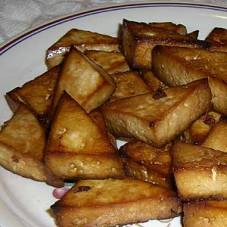
Fried Tofu: Slice firm tofu in 1/2 x 1″ pieces, marinate in soy sauce 5 minutes, then fry both sides until crispy. This can be placed into pasta, rice, casseroles, stir fries, etc…Tofu can be marinated in any sauce you love. Add garlic or ginger (or any other favourite) to tailor the taste of the tofu to your liking.
Easy Tofu Recipes:
(The title for each recipe links to the original recipe source. These are not original NCVA recipes.)
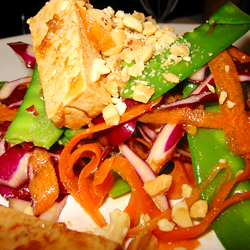
We just tried this recipe the other day and it was delicious!
Serves 4
Ingredients
1 tablespoon sweet chili sauce
1/2 teaspoon grated fresh ginger root
2 cloves garlic, crushed
1 tablespoon dark soy sauce
1 tablespoon sesame oil
1/2 (16 ounce) package extra-firm tofu, drained and diced
1 cup snow peas, trimmed
2 small carrots, grated
1 cup finely shredded red cabbage
2 tablespoons chopped peanuts
Directions
1. In a large bowl, mix the chili sauce, ginger, garlic, soy sauce, and sesame oil. Place tofu in the mixture, and marinate 1 hour in the refrigerator.
2. Bring a pot of water to a boil. Immerse the snow peas in the boiling water for 1 to 2 minutes, then immerse in a a bowl of cold water. Drain, and set aside.
3. Toss the peas, carrots, cabbage, and peanuts with the tofu and marinade to serve.
You can use this recipe as a stir fry or throw it into a wrap instead.
Serves 4
Ingredients
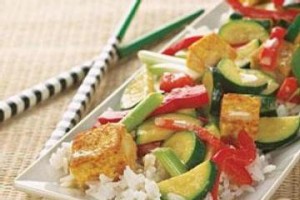
2 tablespoons peanut oil (can substitute with other oil)
16 ounces extra firm tofu (cut into bite sized cubes)
1 tablespoon ginger root (minced fresh)
2 tablespoons red curry paste
1 lb zucchini (diced)
1 red bell pepper (diced)
3 tablespoons lime juice
3 tablespoons soy sauce
2 tablespoons maple syrup
14 ounces coconut milk
½ cup fresh basil (chopped)
Directions
1. Heat the peanut oil in a wok or large skillet over high heat. Add the tofu and stir-fry until golden brown.
2. Remove the tofu and set aside, leaving the remaining oil in the wok.
3. Stir the ginger and curry paste into the hot oil for a few seconds until the curry paste is fragrant and the ginger begins to turn golden. Add the zucchini and bell pepper; cook and stir for 1 minute.
4. Pour in the lime juice, soy sauce, maple syrup, coconut milk, and tofu. Bring the coconut milk to a simmer, and cook a few minutes until the vegetables are tender and the tofu is hot.
1. In a small bowl, combine peanut butter, hot water, vinegar, soy sauce, and cayenne pepper. (Don’t worry if sauce is not entirely blended; heat will melt the peanut butter into a smooth texture when added to wok.)
2. Heat oil in large skillet or wok over medium-high heat. Sauté broccoli, pepper, mushrooms, and tofu for 5 minutes.
3. Pour peanut sauce over vegetable-tofu mix. Simmer for 3-5 minutes, or until vegetables are tender and crisp.
Here’s a guest blog post from Ashley, who has volunteered for the NCVA and is now a certified health coach.
By Ashley White
“You seemed stressed out, have you been getting enough rest?”
Ashley White
If this question irks you ask much as it irks me, then you may be among those people who get that stress is complex, multi-factorial and is a function of more than just “enough sleep.” Historically, human stress is the result of threats from predators or lack of food, water, shelter or space, and even disease. These stress triggers either made earlier humans ‘fight’ – take that, sabre tooth! – or ‘flight’ to address the stress.
In order to summon the super human energy it took to fight or escape, the evolution of a physiological chain of events occured, orchestrated by the central nervous system. The objective of that chain? Bring as much glucose and oxygen (and other fuels) to the major muscles and organs. Who loses in this tug of war? The digestive system, which does not get the blood supply required to do the mulching, churning and breaking down of food particles that it must to in order to get fuel to the cells.
The fight or flight response is both short lived and results in the release of the cortisol hormone. In our modern ecology, human stress is less likely to require a major physical response – going for a run seems like a counter intuitive way to meet a project deadline, no? Well, yes. But, no. Cortisol does not discriminate. Our central nervous system has not yet evolved enough to tell the difference between the sabre-tooth and the big deadline at work. So, either way, stress involves a cortisol respnse. And, unlike with the tiger, where the stressful event ends in death or escape, modern stresses can be so darn complicated and never-ending. Thus, soon, the right amount of cortisol becomes too much, and the cortisol “on switch” gets stuck. This makes proper sleep hard to come by.
What’s the problem with that, you ask? Cortisol promots fat storage (a throwback to those long, food insecure caveman winters) and can be moderated only through diet, exercise and stress stewardship. Typically, in periods of prolonged stress, we are inclined to spend more time at our desks, move less and borrow energy from coffee and energy drinks. Eating at your desk to meet a 3 p.m. deadline, then washing it all down with espresso? Pretty much the worst approach. Even if you’re noshing on quinoa tabbouleh with a green juice, because your body is in stress mode, not digestion mode, the benefits of the food cannot be realized.
So, how do you handle a stressful afternoon deadline? Take your lunch break to go for a brisk ten minute walk, have an easy-to-digest green non-dairy smoothie with some healthy fats (avocado is the creamiest!) for your afternoon meal, sit after your meal in a quiet reflection, and then get to work. If you need a extra kick, make like an Argentinian and sip yerba mate, which stimulates without burdening your adrenal glands. I can guarantee that your productivity will soar and you’ll leave the office ready to go dancing or hopping about with your children.
This, my friends, is stress stewardship. Stress stewardship is a concept I developed that is contrary to stress management in that it presupposes that stress is a good thing, and it’s not going away, no matter how rich, thin or happy you become. So, get inside your stress and realize that unlocking your stress stewardship code is the first key to living with energy.
Ashley White is a certified health coach with a Master of Public Health. She is the Founder of Learn to be Well, and is offering a four week workshop called Rethinking Stress & Energy, starting May 9 in collaboration with Santosha Yoga Westboro.
For the month of March, CBC News: Ottawa co-hosts Lucy Van Oldenbarneveld and Adrian Harewood each embarked on new diets as part of the CBC’s Food for Thought project. Adrian tested out a meat-rich Paleo diet, while Lucy spent the month of March as a vegan. Both anchors received advice from experts and celebrities who practice the respective diets. In Lucy’s case, many of Ottawa’s vegan who’s who pitched in, including Chef Caroline Ishii of ZenKitchen and Wellness Warrior’s Deb Gleason.
Lucy and Adrian: Fierce competitors.
At the end of her month, Lucy decided to continue on the vegan path, and she’s now going to put her newfound expertise to good use as a mentor to the 31-Day Vegan Challenge participants undertaking a vegan diet during the month of May. (We are up to 30 challenge takers, to-date.)
Lucy will be at Veg Fest on April 29 between noon and 3 p.m. and will speak about her experience, and answer people’s questions about going vegan.
We asked Lucy a few questions ahead of time about her experience.
NCVA: How was being vegan different from (or similar to) what you were expecting? What WERE you expecting?
Lucy: I think the month really did meet my expectations. I expected to feel more energetic, and to eat healthier food. Although, I don’t feel nearly as ‘deprived’ as I thought I would. With great desserts from Auntie Loo and gourmet cuisine from ZenKitchen, you won’t feel too much like you’re missing out on delicious food.
Q: What were your favourite things about being vegan for a month? Any scary moments?
A: My favourite thing by far was how great I felt. After the initial ‘detox’ feeling, headache-y and nausea (three to four days) things have felt terrific. One ‘scary’ moment during the month was getting half-way through a ‘vegan’ meal at a friend’s place and have her say, “oh, we used chicken broth in that.” In the grand scheme of things not a big deal, you do the best you can!
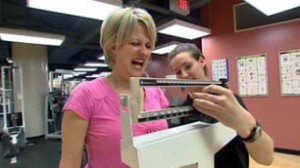
Lucy weighs in.
Q: Tell us about the support you received from the veg community.
A: Immediately people began tweeting me recipes, advice and tips. It has been terrific.
Q: What is your personal plan going forward?
A: I plan to stick with it without becoming too fundamentalist. What I mean is, there may come a time where healthy vegan food isn’t available and it’s a choice between peanut butter sandwiches on white bread or fresh fish… or something….so I don’t want to box myself in. My plan is to stay as vegan as possible! And so far, so good.
Q: Time to impart your wisdom; what advice do you have for people embarking on the NCVA’s 31-day Vegan Challenge?
A: The first four days are grim and there are times when it feels like all you’re doing is chopping and cooking, but this will pass. You’ll start to feel better soon and you will get more efficient as meal prep and freezing stuff.
This guest blog post is by Dr. Amanda Chan D.C., a long-time vegetarian, trained chiropractor, and Network Spinal Analysis practitioner. Dr. Chan has a special offer just for NCVA members: A free initial Network Spinal Analysis consultation with her, valued at $70.00. Contact info is below the post
By Dr. Amanda Chan, D.C.
You exercise regularly, you eat a well-balanced plant-based diet and you meditate frequently…you do “everything” to be “healthy” and yet something is still missing. It just isn’t enough. You know that your body has the capacity to function at a higher level, physically, emotionally, mentally and spiritually. So, how to do you from where you are now to where you ultimately want to be? Continue reading to discover my Three Secrets to Long-Lasting Health.
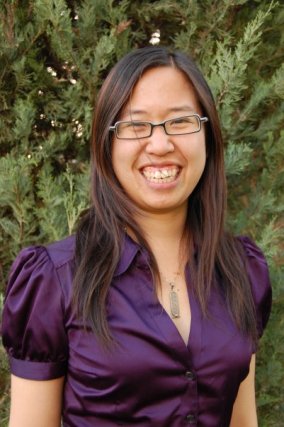
Dr. Amanda Chan
Secret #1: A Change in Perspective
Albert Einstein once said “We can’t solve problems by using the same kind of thinking we used when we created them.” This is true of your pain, stress and symptoms. If you want to end your pain and what you’ve been doing so far hasn’t been working for you, the first thing you’re going to have to do is open your mind to changing how you think about your pain!
This could be similar to when you made the switch to a plant-based ifestyle. If you were like me, you used to eat meat at some point, then there was a change in perspective that caused you to switch.
Pain can mean different things to different people. For some, pain is seen as an annoyance. For others, it is something to be scared of and when they’re in pain, they feel powerless or like a victim. Some people believe they have nothing to do with the pain at all and that their life was going along “just fine” until the pain showed up to ruin their life! There are others who gain a sense of significance because when they are in pain, they get more love and attention. So, how did you think about your pain?
Secret #2: The Body and Mind Connection
Dr. Candance Pert’s research found that the brain, nervous, endocrine, and immune system all function as a unit sending messages back and forth. That is to say, your mind and your body depend on each other to work together.
So, when you open your mind to a new perspective, your body also becomes more receptive to “feeling” the parts of you that have been ignored, avoided or blamed.
Secret #3: Network Spinal Analysis (NSA)
This is an extremely unorthodox yet highly effective non-invasive method for ending pain, increasing energy and building body awareness.
NSA is a body-centered method that helps people predictably transform their lives. It’s practiced by chiropractors but there’s no cracking or popping. NSA is a discipline that uses gentle contacts, not much more pressure than you would put on your closed eyelid, along the spine to create higher brain awareness of the tension that builds in your body due to stresses in your life. A Network session helps you connect to this tension and release it.
Even if you eat a well-balanced plant based diet, workout regularly and meditate, your body can still be reacting to past physical, emotional and mental stress that you can’t seem to shake. NSA shifts people’s bodies and minds out of “stress mode” so they are more receptive to change, less reactive and more open to possibility.
Dr. Amanda Chan is trained as a chiropractor and now practices Network Spinal Analysis exclusively. She holds workshops each month on various topics related to stress, personal and spiritual growth. Please check the workshop schedule at www.wisdominyou.ca.
***
If you are a NCVA member and interested in a complimentary initial consultation with Dr. Chan, contact her office at the coordinates below. Make an appointment specifically with Dr. Chan, and please mention that you are a member of the NCVA to receive the member benefit. Be prepared to show your valid member card.
Hampton Wellness Centre
1419 Carling Ave, Suite 209
Ottawa, ON K1Z 7L6 www.wisdominyou.ca
T- 613-761-1600
Cell- 613-858-8588
It seems like just yesterday that Credible Edibles was one of Ottawa’s hottest veg-friendly cafés, with Judi Varga-Toth and her crew slinging tofu and ladling out soup at a record pace.
But in a decisive move, Judi recently ceased cafe operations, and converted her business to a full-scale cooking school. We caught up with the always bubbly Judi to find out more about the vegan cooking classes that she is offering.
Q: Credible Edibles was a pretty fab café. Why the decision to cease cafe operations and focus on the cooking classes?
A: Running a café is a lot of work and very unpredictable. While I had a lot of regular and very regular customers there was a lot a variation from day to day in the number of people who came to the café. This made it difficult to plan and schedule staff. And because the café kept me so busy I was not able to offer cooking classes. My first passion has been to teach and inspire others to create their own wonderful, healthy plant-based meals and I love to interact with people and get to know them better.
Q: What did you learn from the café experience, and how will that be applied to your business going forward?
A: Through the café I learned which dishes were the most popular and these are the ones I am now teaching people to cook for themselves. I also met many, many wonderful people who have become my friends and also participants in many of my classes. The café was a joyful place and proved to me that Ottawans are ready to eat healthy, environmentally-friendly food! I am hoping that the good reputation of the café will help spread the word about the great cooking classes we offer.
Q: Why vegan cooking classes? Who is taking your classes, and who should be taking them?
A: There is growing evidence that plant-based eating is not only the best option for environmental reasons but also the best for our own health. While I have been vegetarian for many, many years it is the recent movie Forks over Knives that convinced me that plant-based eating was essential to good health. I offered one trial workshop called Forks over Knives last summer and it sold out. Since then I have offered it five times and the interest in plant-based eating keeps growing.
I think many people worry that vegan cooking is complicated or boring or needs too many special ingredients. My classes focus on amazing recipes that you can get on the table as quickly as 20 minutes with basic ingredients you would normally have on hand in your kitchen. I also provide participants with an essential pantry list and a list of places in Ottawa to buy what you need to make plant-based cooking as easy as ABC.
Q: Tell us about what you’re offering.
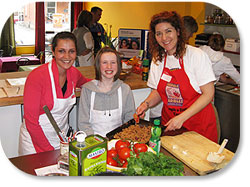
A: Every month I offer eight to ten classes that introduce people to different aspects of plant-based cooking. I teach most of the classes myself but also partner with other skilled vegan chefs in town to offer a wider range of classes. Each class lasts about 2.5 hours and includes a full meal, four to six recipes, hands-on training using both basic and more unusual ingredients, hand-outs to simplify and demystify plant-based eating and extra food to take home to share with others. The classes range from the introductory Forks over Knives class to specific classes on using soy, legumes, making soups, incorporating chocolate, seaweed and more.
Q: What is your teaching philosophy?
A: I love to teach and inspire. I believe everyone can cook and get pleasure out of cooking for themselves and others. Every single class includes hands-on cooking rather than just demonstrations. People learn best by doing. I also share tips and suggestions about cooking more healthfully, choosing the best ingredients, where to buy things in Ottawa, where to go out to eat, what books and movies will support your journey and so on. There is also plenty of opportunity for people to learn from each other in my classes. Everyone who attends a class has some experience that benefits the rest of us so I make sure to have time for everyone to contribute. Finally, the most important element is to sit and eat together. Sharing a meal (especially one we all made together) is fundamental to experiential learning. And it is so much fun!
Q: What are your goals for the Credible Edibles cooking school?
A: My goal is to expand the school to be able to offer more classes to meet the needs of everyone who is interested in transitioning to a more healthful, ecological way of eating. I would also like Credible Edibles to be a place where people come to connect with others making changes to their lifestyles so we can all encourage each other on this path to greater well-being.
To view the schedule of cooking classes, click here.
Credible Edibles Slow Food for Fast Lives 78 Hinton Avenue North, Ottawa www.credible-edibles.ca 613-558-SLOW





 1 tablespoon sweet chili sauce
 2 tablespoons peanut oil (can substitute with other oil)

 Q: Credible Edibles was a
 VegOttawa Association